


How Long SEO Really Takes for Medical Practices in 2026


In 2026, medical practices face a highly competitive digital World, where simply having a website is not enough to attract and retain patients. The process of improving search engine rankings and online visibility through SEO is often longer and more complex in healthcare than other industries due to Google’s YMYL standards.
Doctors need to focus on building authority, producing accurate and high-quality content to fulfill Google and patients’ expectations. One of the most effective ways to achieve measurable online growth is through professional digital marketing services for medical practices.
These services combine strategic content creation, local search optimization, and technical SEO enhancements to ensure that healthcare websites gain both visibility and credibility. While some improvements can be seen within the first few months, consistent effort is essential for sustained growth.
This guide explores the realistic timeline for medical SEO in 2026, highlighting key milestones, challenges, and strategies to accelerate results. By understanding what to expect and how to optimize each phase of the SEO process, physicians can make informed decisions and achieve long-term success online.
Why Medical SEO Takes Longer Than Other Industries
Medical SEO requires more time than other industries due to strict Google YMYL regulations, intense competition, and technical website demands. Even established practices must build authority, trust, and relevance to achieve meaningful rankings. Strategic planning, patient-focused content, and technical optimization are essential to overcome these delays and generate sustainable traffic, leads, and visibility.
Key Factors:
Falls under YMYL (Your Money Your Life) category → stricter Google evaluation
High competition from hospitals, specialty clinics, and multi-location practices
Need for strong backlinks, verified credentials, and authoritative content
Technical website issues (slow load times, poor mobile responsiveness, weak internal linking)
Missing structured data or schema markup slows rich results and snippet inclusion
Importance of comprehensive digital marketing strategies (content calendars, local SEO, backlinks)
Requires consistent execution and strategic planning for long-term results
The Realistic SEO Timeline for Medical Practices in 2026
For medical practices, understanding the realistic SEO timeline helps set proper expectations and measure progress effectively. While results vary depending on competition, site authority, and content strategy, most practices can anticipate noticeable improvements within a structured timeframe.
Months 0–2 — Foundation and Technical Setup
The initial phase focuses on laying a strong SEO foundation. This includes website audits, keyword research, and fixing technical issues such as page speed, mobile responsiveness, and structured data. Proper indexing is established through Google Search Console, XML sitemaps, and internal linking. Practices that address these elements early often avoid delays later in the SEO process.
Months 3–4 — Early Visibility Gains
By this stage, well-optimized pages begin appearing in search results for long-tail and lower-competition keywords. While overall traffic may still be modest, early ranking signals indicate that Google is recognizing the site’s authority. Medical practices often see a small uptick in organic patient inquiries during this period.
Months 5–8 — Moderate Growth and Authority Building
This phase emphasizes content creation, backlink acquisition, and local SEO optimization. Consistently publishing high-quality, patient-focused content helps search engines associate the website with relevant medical topics. Practices may start ranking for more competitive keywords, and improvements in visibility begin translating into measurable leads and appointment requests.
Months 9–12 — Significant Results and Patient Acquisition
After a year of sustained effort, websites typically experience compounding growth in traffic, rankings, and online visibility. By this point, most well-executed campaigns show a noticeable increase in patient inquiries, higher engagement on service pages, and enhanced presence in local search results. Long-term SEO success is solidified through ongoing content optimization, review management, and technical updates.
By following this structured timeline, medical practices can realistically plan their SEO strategies while maintaining patience and consistency. It also demonstrates the importance of investing in professional digital marketing services that specialize in healthcare, ensuring each phase delivers measurable outcomes.
What “Ranking” Means in 2026 (It’s Not Just #1 Position)
In 2026, the concept of “ranking” for medical practices goes beyond simply appearing in the #1 organic search result. Search engines now evaluate multiple visibility signals, including AI-driven results, local map packs, featured snippets, and entity recognition, all of which impact patient acquisition and brand credibility.
AI Search & Knowledge Panels
Modern search engines, including Google, leverage AI-generated summaries and knowledge panels to answer user queries directly. For medical practices, this means even if a website isn’t ranking first traditionally, it can appear as a trusted reference in AI overviews, driving visibility and authority. Practices that implement structured data, clear author credentials, and semantically relevant content are more likely to be featured in these AI-generated results.
Local Map Packs & Patient Intent
Local search is a critical component for healthcare SEO. Appearing in the top three local map results significantly increases the likelihood of patient calls and appointment bookings. Optimizing for Google Business Profile, local keywords, and review management ensures that practices gain prominence in these highly visible areas.
Featured Snippets & Quick Answers
Featured snippets and “People Also Ask” boxes are becoming increasingly important. By structuring content to directly answer patient questions, medical practices can capture these positions and attract high-intent traffic. Examples include “How long does medical SEO take?” or “Best strategies for local healthcare marketing.”
Entity Recognition & Semantic SEO
Search engines increasingly rely on entities and topical authority to rank content. Practices that connect content to relevant healthcare topics, services, and locations improve their chances of being recognized as authoritative sources. Semantic optimization ensures that Google understands the relationship between keywords, services, and patient needs, increasing both ranking potential and click-through rates.
Overall, ranking in 2026 is a multi-dimensional concept. High visibility can come from a combination of traditional organic results, local map presence, featured snippets, and AI references, all of which contribute to measurable growth for medical practices.
How AI Search (SGE) Changes the SEO Timeline
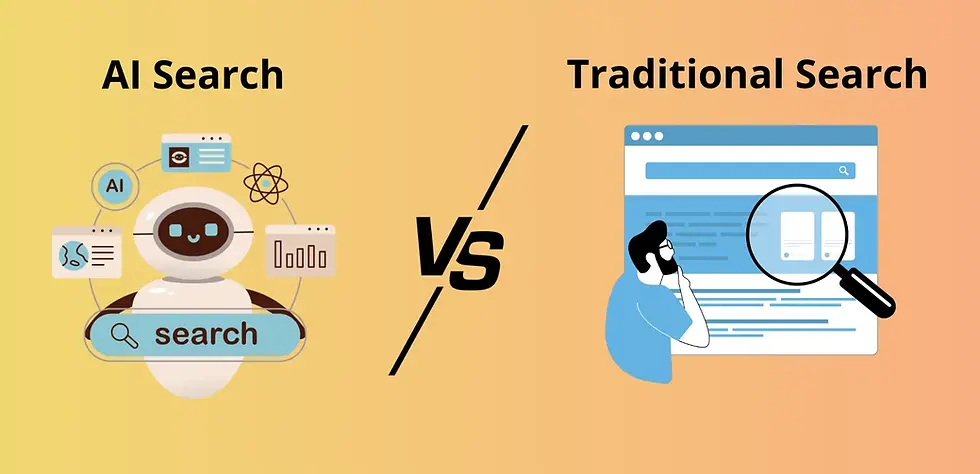
The rise of AI-driven search and Search Generative Experience (SGE) is reshaping the SEO timeline for medical practices. AI evaluates topical authority, semantic relevance, and user trust, allowing practices to gain early visibility even before traditional rankings improve. Structured, authoritative content can now appear in AI summaries, knowledge panels, and answer boxes, accelerating patient awareness.
Key Impacts:
Early Visibility: AI can reference content in summaries and knowledge panels before page-one ranking
Semantic Recognition: Properly connected service pages and content clusters signal expertise
Content Clustering & Entities: Linking related topics (specialties, local services, FAQs) builds trust and authority
Faster AI Impressions: Newly published content may appear in answer boxes within weeks
Not a Replacement for Organic SEO: Sustained traffic and patient inquiries still require traditional SEO strategies, content production, and authoritative backlinks
Strategic Advantage: Practices leveraging AI signals alongside conventional SEO can accelerate awareness and credibility
Factors That Speed Up Medical SEO Results
While medical SEO typically requires patience, several key factors can accelerate results and help practices gain visibility faster. Leveraging these strategies ensures that efforts in content creation, technical optimization, and local authority translate into measurable patient growth sooner.
High-Quality, Patient-Focused Content
Creating content that directly addresses patient concerns, treatment options, and common healthcare questions signals expertise and relevance to search engines. Practices that consistently publish well-researched articles, blogs, and service pages benefit from faster ranking improvements.
Optimized Technical SEO
Properly structured websites with fast loading times, mobile responsiveness, secure HTTPS, and schema markup provide search engines with signals of credibility. Fixing technical issues early in the SEO process reduces delays in indexing and visibility.
Local Search Optimization
For medical practices, appearing in local search results is crucial. Optimizing Google Business Profile, citations, and reviews increases prominence in map packs, generating direct patient calls and appointment bookings.
Strategic Link Building
Earning high-quality backlinks from reputable medical, educational, or local sources strengthens domain authority. These backlinks not only improve rankings for competitive keywords but also enhance topical trust in the eyes of search engines.
Professional Digital Marketing Partnerships
Engaging specialized Healthcare SEO Services ensures that medical practices implement comprehensive strategies tailored to the industry. These services combine content strategy, technical optimization, local SEO, and backlink acquisition to deliver measurable results efficiently, often reducing the time it takes to see improvements in traffic, leads, and patient acquisition.
By focusing on these factors, medical practices can accelerate their SEO results while maintaining compliance with healthcare regulations and Google’s trust standards.
Common SEO Challenges for Medical Practices
Even with the best intentions, several common issues can slow down SEO progress for medical practices. Recognizing and addressing these delays early can save time and improve the effectiveness of digital marketing efforts.
Thin or Low-Quality Content
Websites that lack comprehensive, informative, and patient-focused content often struggle to rank. Google prioritizes content that answers real patient questions and demonstrates expertise. Pages with minimal information or generic text are less likely to gain visibility.
Poor Technical Structure
Technical issues like slow page speeds, broken links, non-mobile-friendly layouts, or missing schema markup hinder search engines from properly crawling and indexing a site. Without a solid technical foundation, even high-quality content may fail to reach its potential audience.
Insufficient Local SEO Efforts
Healthcare practices that neglect local optimization, such as Google Business Profile updates, accurate citations, and patient reviews, miss opportunities to appear in the local map pack. This can significantly delay leads from local search queries.
Lack of Authority and Backlinks
Without authoritative backlinks from reputable sources, a medical website may struggle to compete with established competitors. Google relies on trust signals, and weak link profiles slow down ranking progress.
Inconsistent Content and Marketing Efforts
SEO is a long-term strategy. Irregular updates, sporadic blog publishing, or neglecting on-page optimization can delay results. Search engines favor consistent, ongoing efforts that demonstrate expertise and reliability.
By understanding these structured data delays, medical practices can proactively address weaknesses, implement structured SEO strategies, and avoid common pitfalls that hinder growth.
How to Accelerate Results Without Risking Penalties

Medical practices aiming to speed up SEO results must proceed carefully to avoid penalties, while still achieving measurable growth. Leveraging safe, strategic optimization methods and professional guidance ensures faster visibility, improved rankings, and increased patient engagement. Utilizing expert services can also provide a significant advantage in accelerating results efficiently.
Key Strategies:
Focus on Quality Over Quantity: Create informative, accurate, and patient-centered articles to boost rankings and engagement
Use Structured Data and Schema Markup: Implement FAQ schema, Medical Business schema, and service page markup for faster visibility in rich snippets and AI results
Leverage Internal Linking Strategically: Connect related pages, blogs, and FAQs to strengthen topical authority and distribute link equity naturally
Optimize Local SEO Responsibly: Maintain accurate Google Business Profile info, reviews, and citations to attract high-intent local traffic
Partner with Professional Services: Collaborate with Best Healthcare Marketing Services in Chicago and specialized Healthcare SEO Services for compliant, results-oriented strategies
Achieve Faster, Safe Results: Following these approaches ensures accelerated SEO performance while avoiding penalties
Medical SEO Timeline Case Example (Hypothetical Data Model)
To illustrate how medical SEO unfolds in practice, consider a hypothetical case of a mid-sized medical clinic using comprehensive SEO strategies, content marketing, and local optimization. This timeline shows realistic expectations for visibility, traffic, and patient inquiries over a 12-month period.
Months 0–2 — Foundation and Technical Fixes
The clinic focuses on website audits, keyword research, technical improvements, and schema markup implementation. Initial indexing occurs within the first few weeks, but organic traffic remains low. By addressing technical and content gaps early, the foundation for long-term SEO success is established.
Months 3–4 — Early Visibility Gains
With the first round of optimized pages and patient-focused blog posts published, the clinic begins ranking for long-tail, low-competition keywords. Organic search impressions increase modestly, and a small number of patient inquiries start coming in from the website.
Months 5–8 — Moderate Growth and Authority Building
The clinic adds local content, backlinks from medical associations, and internal linking improvements. By month six, higher-competition keywords start showing ranking improvements, and website traffic increases steadily. More appointment requests are generated from organic search, indicating measurable patient engagement.
Months 9–12 — Significant Results and Patient Acquisition
After a full year, the clinic experiences compounding growth. Rankings for primary service pages and local keywords are solidified, appearing in both map packs and featured snippets. Traffic is consistently higher, and patient inquiries and bookings show a noticeable increase, demonstrating the effectiveness of long-term, structured SEO.
This example highlights the importance of consistent effort, authority-building, and structured strategies in medical SEO. While early results may appear modest, cumulative efforts lead to sustainable visibility, patient acquisition, and measurable business growth over 12 months.
Conclusion
Medical SEO in 2026 is no longer about quick wins or overnight rankings. It is a long-term, trust-driven strategy that rewards medical practices willing to invest in authority, accuracy, and consistency. From technical foundations and patient-focused content to AI search visibility and local optimization, every phase of SEO builds upon the last. While early signals may appear within a few months, sustainable rankings, traffic, and patient acquisition typically develop over time through structured and ethical optimization.
Practices that understand modern ranking factors—such as AI-driven search results, semantic relevance, and entity authority—are better positioned to compete in today’s evolving search landscape. By avoiding shortcuts and focusing on compliant strategies, medical websites can accelerate growth without risking penalties or loss of trust.
For healthcare organizations seeking predictable and measurable outcomes, partnering with an experienced digital marketing team makes a critical difference. Physicians Digital Services, LLC provides specialized expertise in medical SEO, helping practices navigate complex search algorithms, improve visibility, and attract the right patients. With the right strategy and professional support, medical SEO becomes a powerful growth engine—not just in 2026, but for years to come.
FAQ
How long does SEO take for medical practices to show results?
SEO for medical practices typically starts showing early visibility within 3–6 months, with substantial results appearing around 9–12 months. Factors such as site authority, technical setup, content quality, and local SEO efforts influence the timeline. Practices using professional Medical Practice Digital Marketing Services often see faster, measurable growth in search rankings and patient inquiries.
Can medical SEO results appear faster with AI search visibility?
Yes. AI search, featured snippets, and semantic search can provide early exposure even before full organic ranking is achieved. By optimizing content with structured data, FAQs, and topical relevance, medical practices can gain recognition in AI-generated results, improving brand visibility and patient engagement.
What factors accelerate medical SEO results?
High-quality patient-focused content, optimized technical SEO, local search optimization, consistent publishing, and backlinks from reputable sources all accelerate SEO results. Professional Healthcare SEO Services ensure these strategies are applied safely and effectively, reducing delays while maintaining compliance.
What common mistakes delay medical SEO?
Delays occur due to thin content, poor technical structure, neglect of local SEO, inconsistent publishing, and lack of authoritative backlinks. Addressing these issues early ensures faster indexing, better rankings, and measurable patient acquisition.
How can I contact a professional team for medical SEO help?
Medical practices can connect with Physicians Digital Services, LLC. to leverage expert Medical Practice Digital Marketing Services and Healthcare SEO Services. They provide comprehensive strategies to increase visibility, attract patients, and achieve measurable growth online.
Business Details – Contact Physicians Digital Services, LLC.
Healthcare practices looking to grow online and attract more patients can connect with Physicians Digital Services, LLC. for professional digital marketing solutions tailored to the healthcare industry. Whether the goal is to improve search rankings, run paid ads, optimize a website, or implement a comprehensive digital marketing strategy, Physicians Digital Services, LLC. helps practices achieve measurable results.
Business Name: Physicians Digital Services, LLC.
Address: 3250 Lacey Rd Suite 215, Downers Grove, IL 60515
Phone Number: (630) 233-9651
Business Hours: Monday–Friday: 9 AM–5 PM | Saturday–Sunday: Closed
Connect with PDS on Social Media:
Facebook: physiciansdigitalservice
LinkedIn: physiciansdigitalservices
Instagram: physiciansdigitalservices
Pinterest: physiciansdigitalservices
GitHub: physiciansdigitalservices
Tumblr: physiciansdigitalservices
By partnering with Physicians Digital Services, LLC., medical practices can leverage expertise in Medical Practice Digital Marketing Services and Healthcare SEO Services to increase online visibility, attract more patients, and grow their practice efficiently.


Deploying professional AI tools for email marketing has allowed our firm to move away from "one-size-fits-all" automation and start building specific agents for each department. In 2026, we are seeing the rise of "micro-agents" that specialize in everything from technical onboarding to billing dispute resolution within the inbox. I am looking for a developer who can build this level of modular resilience into our infrastructure, ensuring that our automated ecosystem is as flexible as it is powerful.